FROM NOWHERE / DE NICIUNDE
Founded together with Ciprian Chirileanu, Ioan Rusan, and Mihai Toth, De Niciunde / From Nowhere is an interdisciplinary group working at the intersection of art, science, perception, and material inquiry.
For me, this trajectory began with MENTALESE (2023), a hybrid installation-performance presented at Park Gallery in collaboration with visual artist Ciprian Chirileanu. The project marked our first artistic encounter and opened a shared line of inquiry into perception, matter, and invisible structures. Using recovered objects, rods, and symbolic arrangements, the work translated pre-verbal thought into a sensory environment shaped by spatial thinking, conceptual precision, and material experimentation. The project was later discussed in a dedicated article in ARTA.
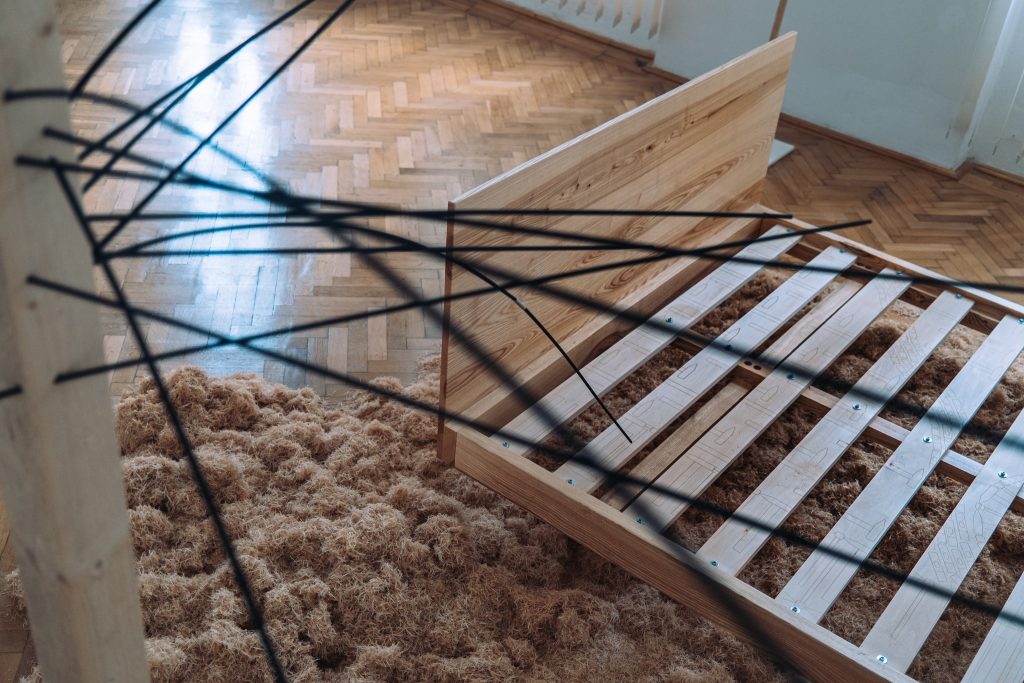
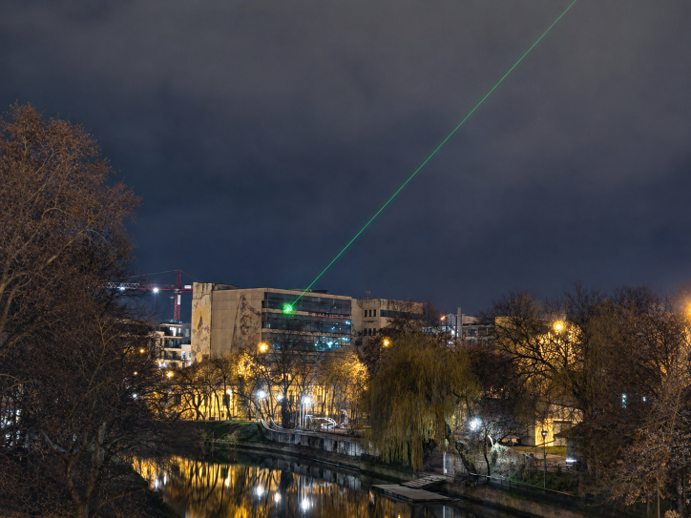
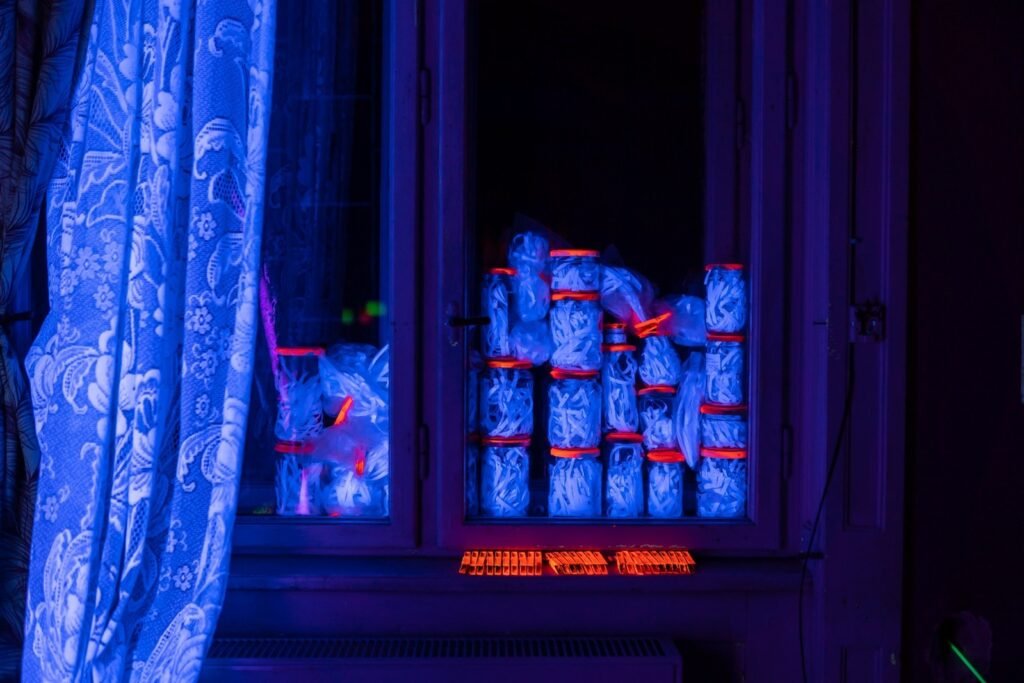
UNDE DE NICIUNDE (2024), presented at Pasmatex, became the first exhibition in this broader collaborative direction, bringing together art-science installations that explored how waves, energy, resonance, and other invisible forces might be made perceptible through sensory experience. Developed within an industrial setting, the project transformed the space into a laboratory of perception, opening a dialogue between scientific abstraction and poetic form.
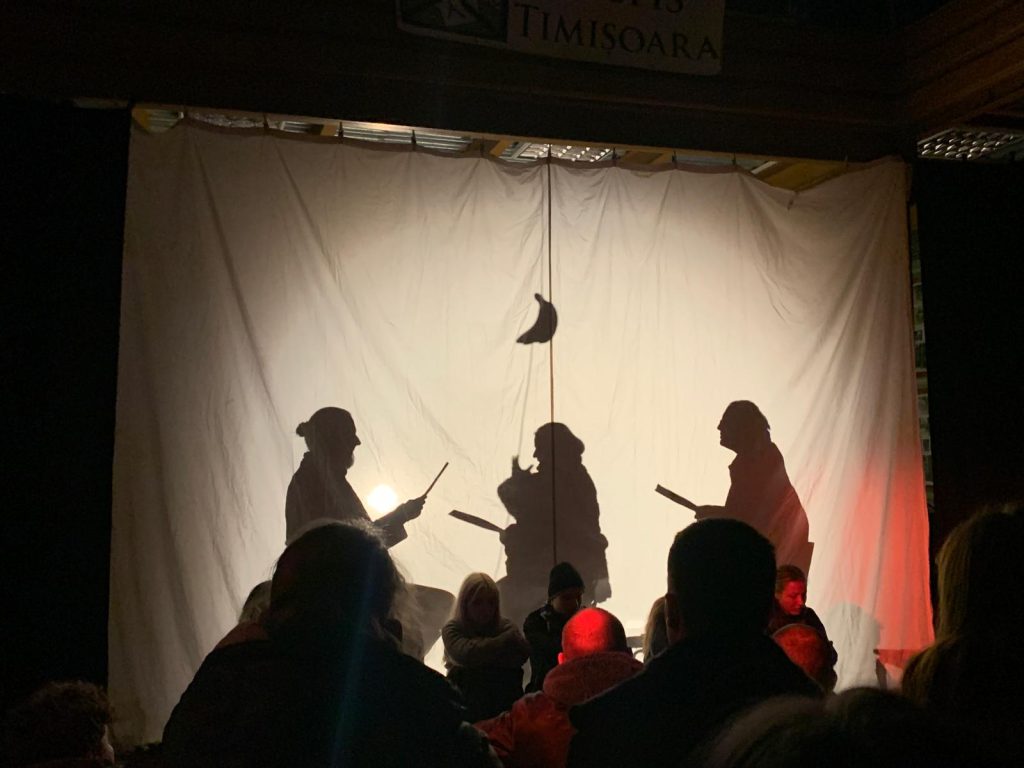
THAT THEN / ACEL ATUNCI (2025) continues the line of inquiry opened by Unde de Niciunde, shifting the focus toward the invisible contributions that sustain knowledge, invention, and everyday life. Combining installation, performance, and archival thinking, the project recovers fragile gestures, anonymous labour, and overlooked forms of participation, turning them into the substance of a living archive. Rather than offering a closed narrative, the work remains open to intervention, where memory is activated, negotiated, and rewritten through the presence of its audience.
Selected coverage
Unde de Niciunde was featured in PropagArta in Miruna Robescu’s article “Enigma interacțiunii dintre artă și știință”, which frames the exhibition as a meeting point between art and engineering and discusses works by the participating artists and engineers, including my installations.
The group’s later trajectory was further contextualised in Kontur Magazine through Toth Yvett-Beatrix’s essay “The Era of Free Information and Censored Minds”, which reflects on New Tab, notes that Grupul de niciunde was formed in connection with Unde de niciunde and New Tab, and includes a reading of my installation Progresul undelor